
Student clubs
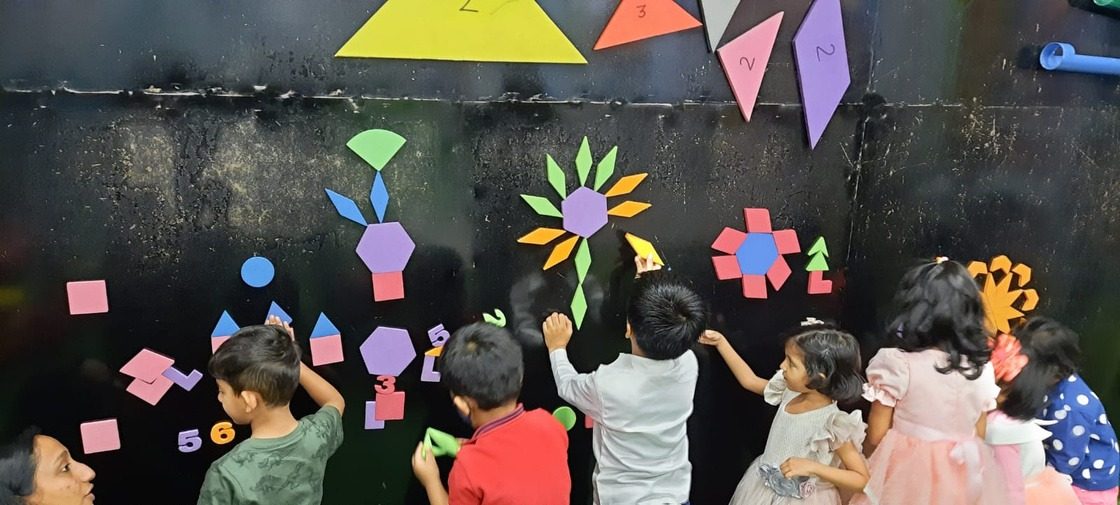
Clubs where children explore themes from many perspectives, hearts-on, heads-on and hands-on, with simple and easily available materials. Run in your school, in a timetabled or after-school slot.
What are the clubs?
Inquiry is an inquisitive state of mind. Children are naturally inquisitive. The role of educators is to tap into this inquisitiveness and develop the abilities that go with it: asking questions, inquiring, and figuring out solutions.
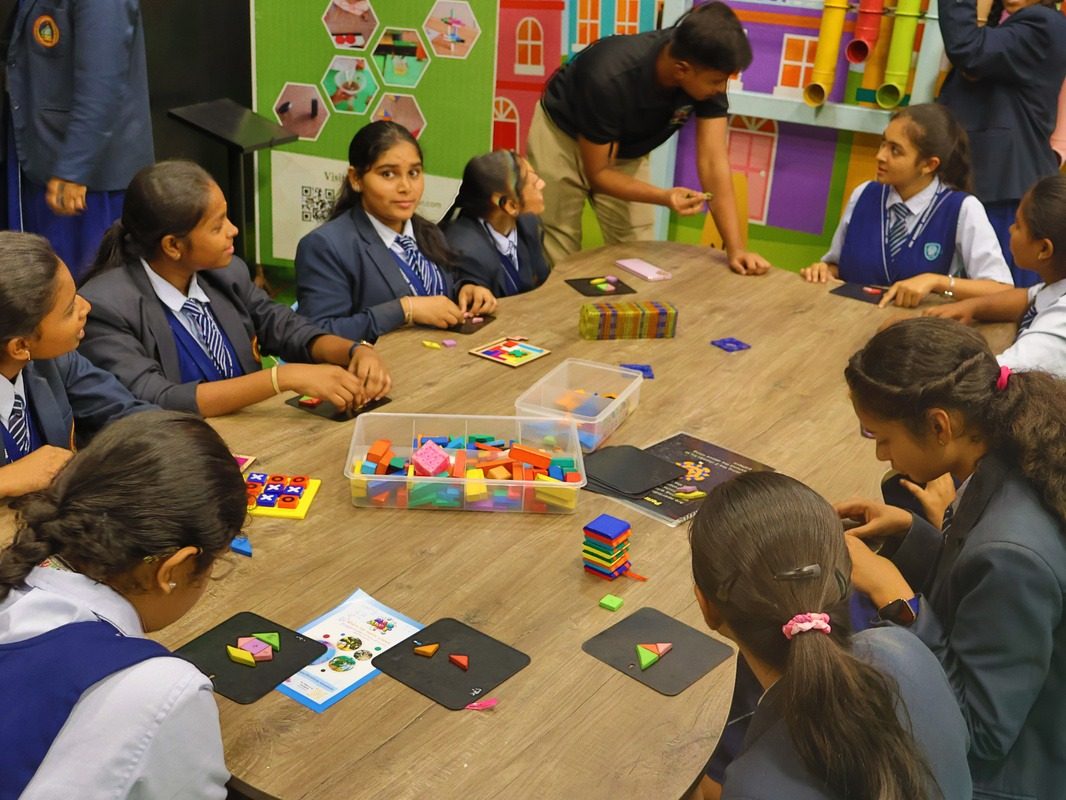
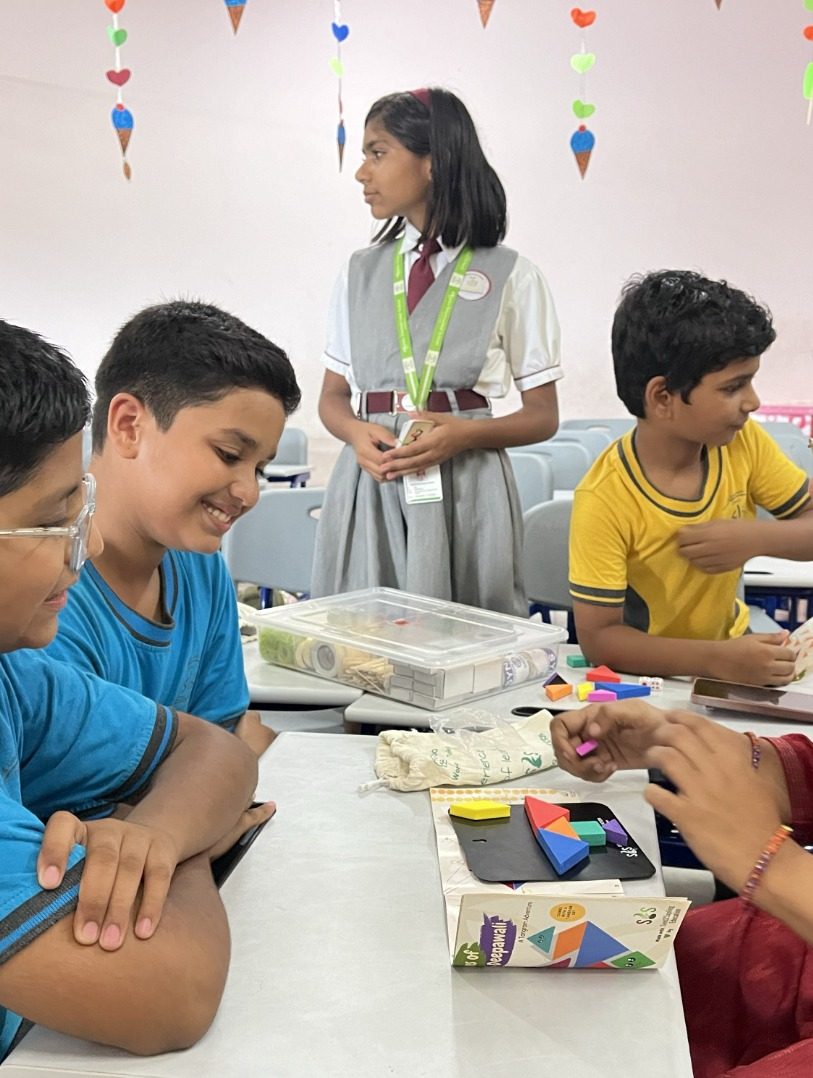
Our student clubs are designed to engage children meaningfully in exploring themes and projects from multi-disciplinary perspectives, with the help of simple and easily available materials. A club is the one part of the week where a child can follow a question that is not on the syllabus and nothing depends on getting it right.
Teachers are welcome to sit in. Watching their own students learn in a constructivist, student-centred way, and noticing the nuances of it, is often where a teacher's own journey with us begins.
Why clubs?
The National Education Policy asks for education that is experiential, holistic, integrated, inquiry-driven, discovery-oriented, learner-centred, discussion-based, flexible, and, of course, enjoyable. Theme and project based learning is a step in exactly this direction. Every subject has its own natural process of knowledge construction, and we take care to keep the rigour of each subject intact while bringing disciplines together. Along the way children develop observation, questioning, pattern-finding, creativity and experimentation, and above all the attitude of free, open-ended exploration to construct their own knowledge.
How a club works
Every session is built on three things happening together.
Hearts-on
Children get hooked on the topic through daily-life observations or real-world problems.
Heads-on
Children think about open-ended questions and activities around the topic.
Hands-on
Children take part in exploratory hands-on activities, in a group or individually.
Across a term, the sessions move children through four stages.
Perspectives
Children explore a theme keenly from multiple perspectives. A sense of wonder sets in, and the process of discovery begins.
Explorations and experimentation
Children explore further using the process skills of each subject: observing, measuring, comparing, testing. The skills strengthen with use.
Independent explorations
Children use the process as a template to generate their own explorations, and become independent learners and explorers.
Reflective dialogue
Reasoning grows through discussion. The club creates the opportunity for rich, intellectual dialogue among peers.
A session runs 60 to 90 minutes, with one facilitator for a batch of 25 to 30 children; a facilitator can run three or four sessions in a day. Nothing is graded. The facilitator's job is to keep the question open, not to hurry the group to a finished product.
Themes we run, and a taste of the explorations
The range: gardening, robotics, computational thinking and AI, maths and science tinkering, design thinking, inquiry and research, global perspectives, creativity and innovation, and creative reading and expression. Topics are customised and renewed continuously through interaction with the children and the school. The focus is on the process followed, not the topic. A small sample:
Design a shuttlecock
Substitutable thinking. Game design.
Music
Play two tunes. Which is better, and in what sense? What patterns do you see? What is a tune?
Exploring folktales
Looking at folktales through different lenses. Scientific temper, critical thinking.
Cooking
Why are pulses not cooked properly in some water? Why is a lemon of twice the diameter more than twice as costly?
Design thinking
How will you come up with a well-ventilated, well-lit house within the constraints given? Design a rocking toy car.
Exploring ice
Observations and questions from exploring ice. Science meets geography: ocean currents.
Investigating weather
Exploring an online simulation tool. Analysing data. The causes of wind, pressure and geography.
Designing cycle tracks
Lateral thinking to come up with solutions. Questioning existing ideas.
Paper explorations
Make a paper copter that mimics the flight of a seed. How does it rotate? Properties of A5, A4, A3 and A2 sheets. The history of paper.
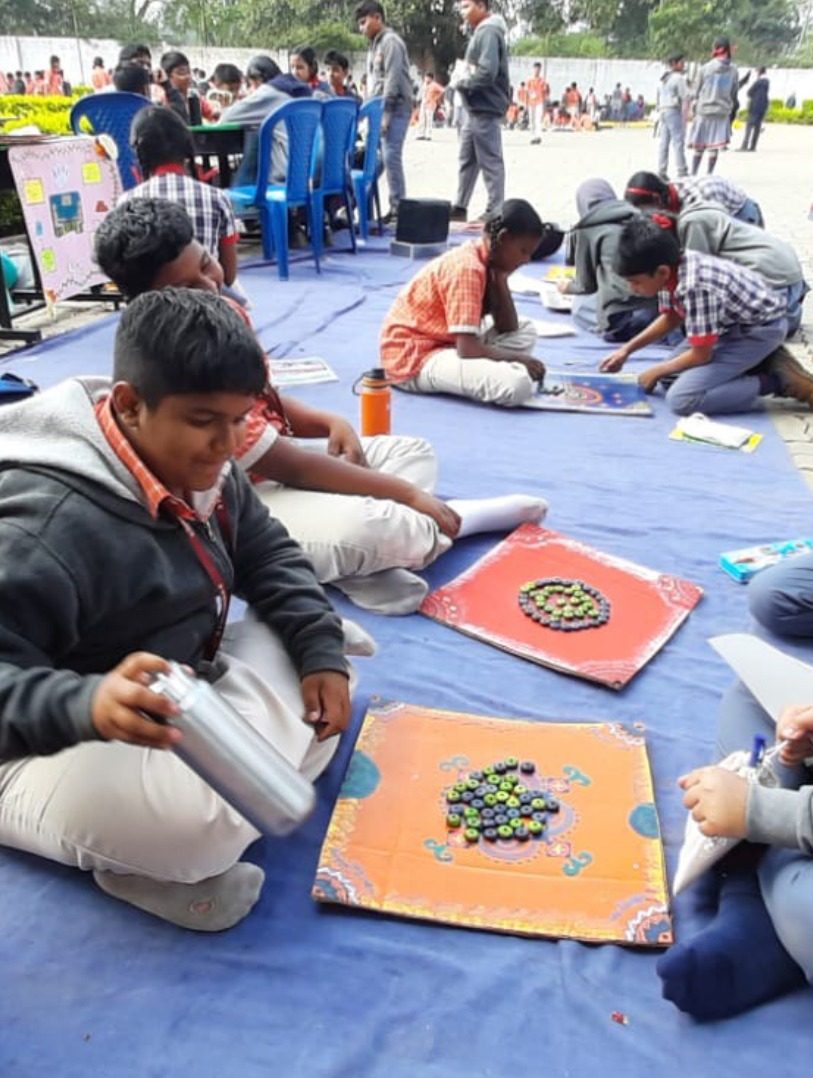
Kolams and rangolis
Given a kolam, can it be drawn in a single stroke? Mathematical thinking.
Evolution
From biological evolution to civilisational evolution to arts, technology and the future.
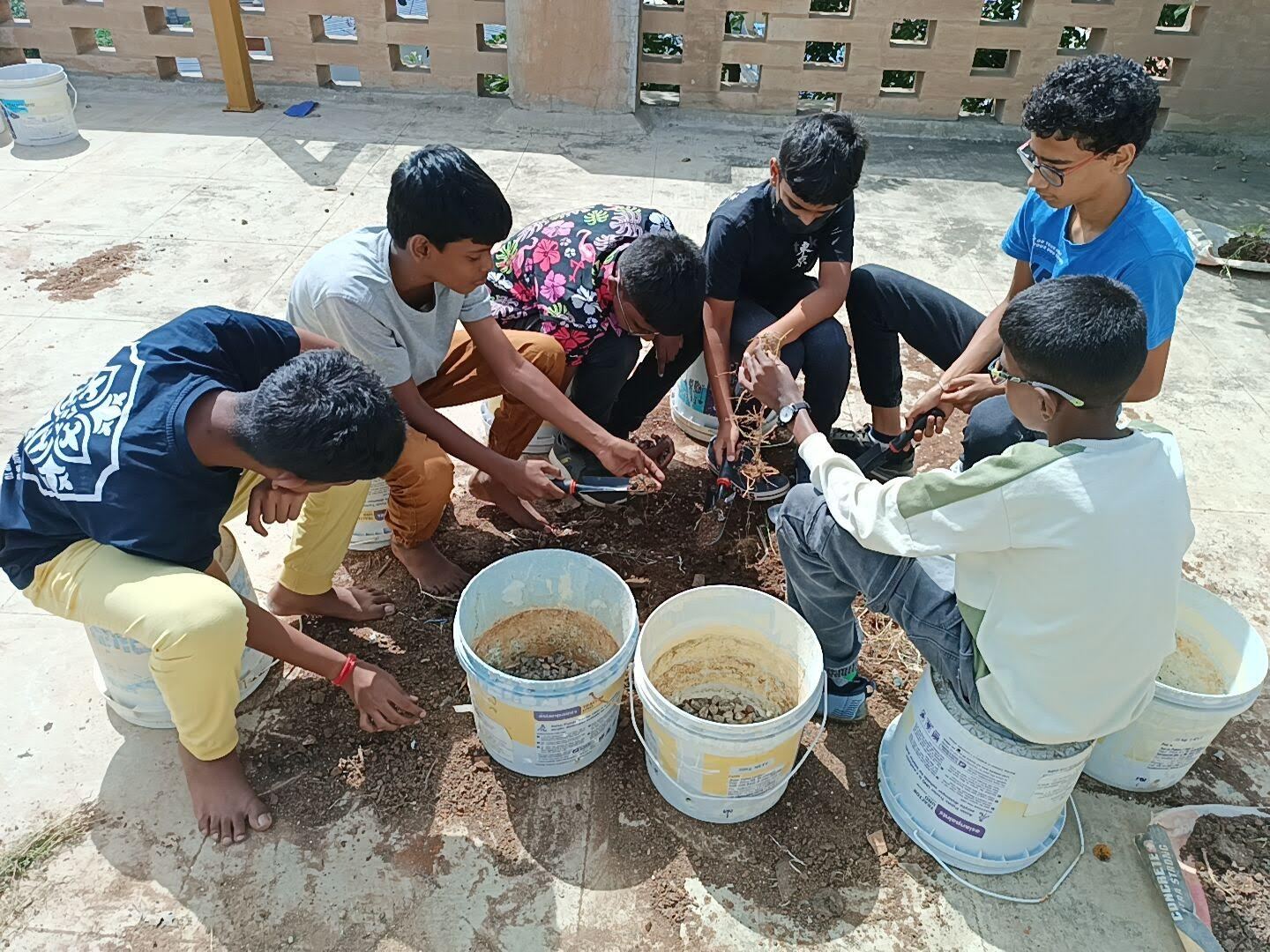
Gardening
Designing an experiment. Developing the concept of average.
...and more.
What your school receives
Seed2Sapling provides
- A facilitator for each session, 60 to 90 minutes, batch of 25 to 30 children
- Theme and project design for the term
- All materials for the sessions
- A choice of club themes, agreed with your coordinators
- Documentation of what children made and asked
The school provides
- An after-school or CCA slot in the timetable
- A room to work in: a Tinker Den or a garden, if you have one, gives the club a natural home
- A coordinator we can plan the term with
- Teachers who would like to observe, whenever they can
Putting it in place
A school can start with one club, for one group of children, in one term. It is a common first engagement for schools that want to see the approach before committing to curriculum or a learning space.
Schools that already have a Tinker Den or a learning garden usually run the club inside it.
Where teachers have been observing, clubs can grow into teacher-led clubs: we take teachers through the same explorations in Dialogue on Learning sessions, share ideas, pondersheets and assessments, and co-facilitate until the teachers run the club themselves.
From the classroom
In their own self-assessment at the end of a club, most children report an increase in curiosity, in observation, in experimenting and in thinking.
"Science club makes me think in an angle where I never used to think before. Now I start thinking even about small things around me, so many whys and so much curiosity to learn the reasons."
"Sessions are filled with interaction. There are a lot of questions asked which increase our curiosity and thinking capacity. Overall, the classes are interesting and really fun."
"We got to learn so many new things. We also got to think about 'what to think' and analyse our ideas and thoughts."
Let's talk about what your school needs
Partner with usAlso worth looking at: Tinker Den · Garden Learning Lab · Dialogue on Learning